
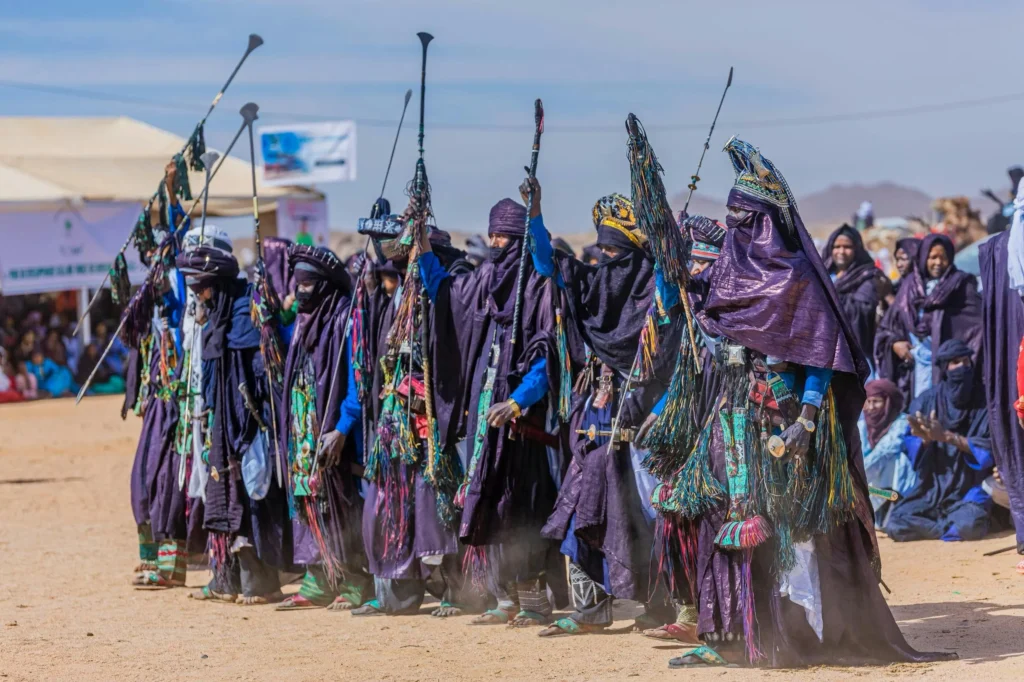
The Lantari Tribe
Project Overview
Introduction
The Lantari are a land-based tribal community known for terrace farming, colorful attire, and strong collective labor traditions. Their social fabric revolves around agriculture and seasonal festivals.
History & Origin
The Lantari claim descent from early agro-settlers who shaped hillside farming systems.
Generations perfected terraced cultivation, enabling stable food production.
Geographical Distribution
Gujarat foothill regions
Western Madhya Pradesh
Parts of Rajasthan’s river valleys
Social & Cultural Life
Families live in cluster settlements called “wadas.”
Each cluster shares resources and rotates agricultural duties.
Food & Cuisine
- Maize rotis
- Mashed lentils
- Wild leafy greens
- Fermented grain porridge
Livelihoods
- Terrace agriculture
- Cattle rearing
- Small handicrafts (embroidery, bamboo tools)
Art & Craft
- Embroidered garments with mirror work
- Folk dances during sowing season
- Bamboo flute music
- Mud wall paintings representing farming cycles
Current Challenges
- Disrupted rainfall patterns affecting farming
- Minimal access to agricultural training
- Migration due to limited work opportunities
Opportunities for Growth
- Improving farming methods
- Women-led embroidery collectives
- Digital literacy for market access
- Water conservation training